Programmes
Choose the format. The method stays the same.
Every programme at Strongerdailylife is a written block with a review date. The difference is who is in the room, how often you train, and whether the work happens on Tyrwhitt Road or in a gym you already use.
One-to-one
A coach, a rack, a plan you can read
One-to-one coaching is the closest format we run. A single coach holds your block from the intro session to the week-twelve review. Sessions last 55 minutes. Warm-up, the main lifts, and a short accessory piece all sit inside that hour so you can get back to work. Load is logged on every session. If a lift stalls for two weeks, we change the accessory or the set scheme at the review, not by inventing a new programme mid-block.
This format suits people who need spotting on heavier sets, who are returning from a long gap, or who prefer to train at 06:30 before the office opens. You hold a recurring slot. Missed sessions can be moved with 12 hours’ notice; later than that, the session is counted. Rates and packs are on the membership page.
Small-group strength
Four people, one coach, four different blocks
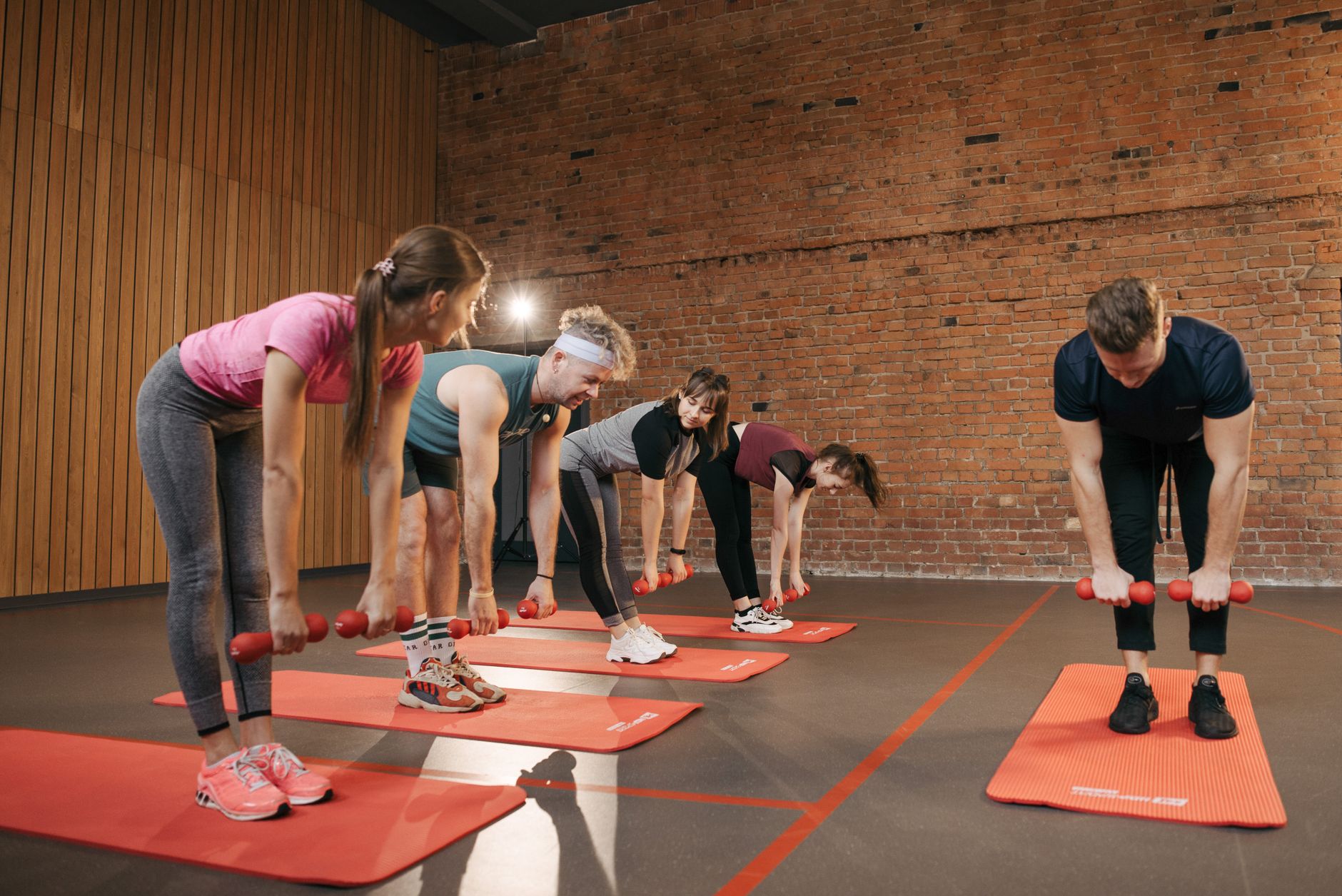
Small-group sessions cap at four. The shared time is the point: you keep a slot and you see the same faces. The work is still personal. Each person brings their own block, their own loads, and their own constraints. The coach sequences the rack so two people are never waiting on the same bar. Session length is 55 minutes, same as one-to-one.
Groups run at fixed hours on weekday mornings, midday, and evenings. If a group is full we start a new one rather than pushing a fifth person onto the floor. Beginners who have finished the foundations block often move here. People who want more coaching attention stay on one-to-one. You can switch format at a review, not mid-week.
Beginner foundations
Eight weeks to learn the patterns we load later
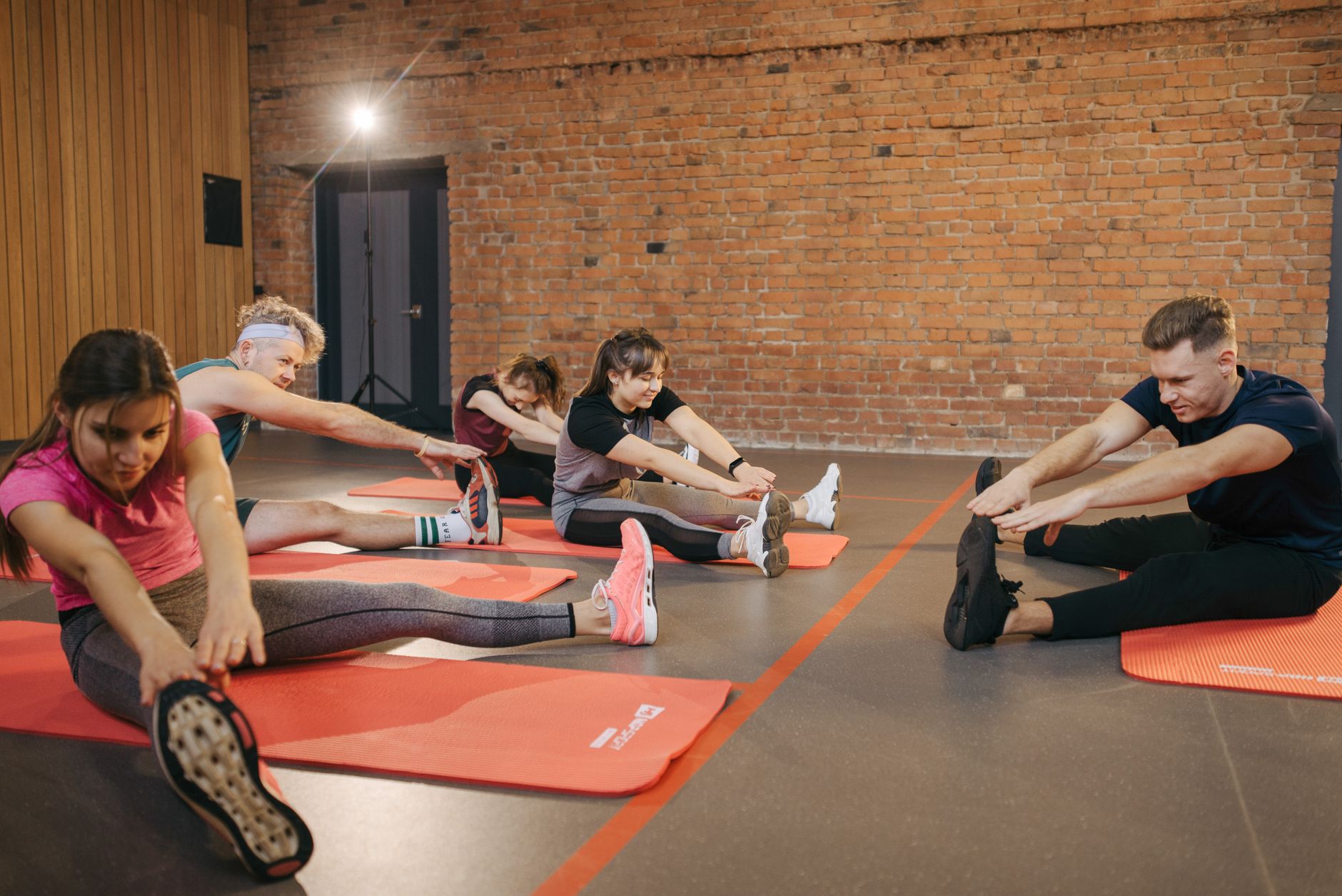
Foundations is an eight-week cohort, twice a week, for people who have not trained under a coach or who want to rebuild the basics after years of mixed classes. We teach squat, hinge, press, row, and carry with empty bars and light dumbbells, then set the first numbers you will keep. There is no testing for a one-repetition maximum. We look at positions, breathing, and whether you can repeat a set with the same quality on minute eight as on minute two.
Cohorts start on a published Saturday and run on two weekday evenings plus that Saturday morning. The fee is S$1,120 for the block. After week eight we recommend small-group strength or one-to-one, depending on how you want to train next. Places are limited by the four-person cap on the floor.
Return-to-load
Training after a clinician has cleared you to load
Return-to-load is one-to-one work for people who arrive with a written note from a doctor, physiotherapist, or other clinician. We do not diagnose, treat, or replace that care. We take the clearance you bring, ask what has already been loaded, and write a slower block with earlier reviews — typically at week four and week eight. Pain that changes during a session stops the set. We log what happened and, if you wish, you can share the log with the clinician who referred you.
Remote programming
A written block for the gym you already use
Remote programming is for people who cannot reach Tyrwhitt Road three times a week, or who travel for work. We still run an intro — in person if you can visit, or a 45-minute video call with a short movement screen if you cannot. The deliverable is a four-week file: session outline, loads, and a note on what to do if a hotel gym is smaller than expected. You send back loads once a week. We reply with adjustments for the next seven days.
The fee is S$260 per four-week block. It does not include live sessions on our floor. If you are in Singapore for a stretch of weeks, you can add intro or one-to-one hours at the published rates. Remote work is a poor fit if you have a recent injury still under clinical care; we ask you to finish that conversation with your clinician first.

Workplace
Quiet strength work for office teams
Workplace programmes are scoped with the person who holds the budget — usually HR, facilities, or a team lead. We can run on-site mobility sessions in a meeting room, reserve studio hours for a company, or spend a half-day screening a team and sending each volunteer a two-page plan. We do not run loud lunchtime circuits or prize-draw challenges. The brief, the headcount, the room, and the fee go in writing before the first visit.