How we train
A method you can read before you load a bar.
Screening, a written 12-week block, live coaching, and a review on a date we set in advance. That cycle is how every programme at Strongerdailylife is built.
Why a block
Load needs a calendar, not a mood
Most people who find us have already trained. They know the machines. They have followed programmes on a phone. What they have not had is a single document that names the lifts, the weekly frequency, and the date when both will be rewritten. We use 12-week blocks because that is long enough for a load to climb and short enough that a stalled lift does not sit unnoticed for a season. The review is in the diary from day one. It is not a conversation we remember to have when someone looks tired.
Coaches on the floor keep the same notes. If a different coach covers a session, they read the log before you arrive. Accessory work can change inside a block when a joint is irritated or a hotel week is coming. The main lifts stay unless the review says otherwise, or a session is stopped for safety.
The cycle
Four steps, repeated
Screen
The intro session lasts 45 minutes. We take a training history, ask about current desk hours and sleep, and watch squat, hinge, press, and carry with a light load. We are looking for positions you can repeat, not for a number to post. If a clinician has sent you, we read the clearance first and stay inside it.
Write the block
Before you leave, you have a 12-week outline: session count per week, the lifts that will carry load, starting weights, and the review date. Foundations cohorts use an eight-week outline because the job is to learn the patterns. Remote clients receive the file within three working days of payment.
Coach the session
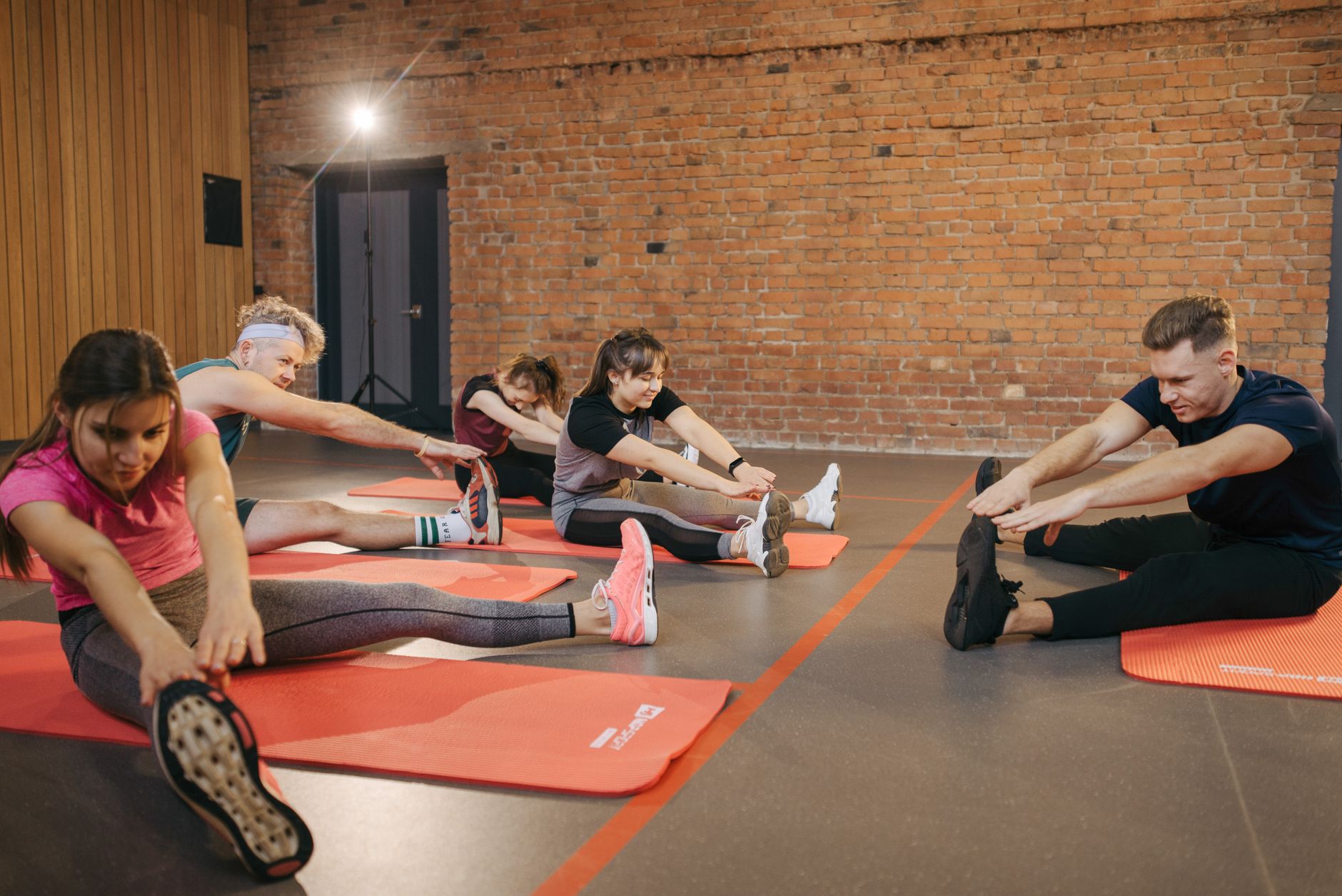
On the floor a coach is in the bay with you for the full 55 minutes. Warm-up is specific to the lifts that day. Main work is logged. If a set looks different from last week, we cut the load rather than chase the number on the page. Small groups are coached the same way; the cap of four exists so that logging still happens.
Review on the date
At the end of the block we repeat a short set of tests from the intro: a squat variation, a hinge, a press, and a timed carry or bike piece. Numbers go on the same sheet. The next block is written from those numbers and from what the log says about sleep, travel, and missed sessions. Return-to-load clients also review at week four.
Conditioning and mobility
Enough to support the lifts, on purpose
Conditioning at Strongerdailylife is usually a short bike or row piece at the end of a strength session, or a separate 20-minute slot if your block calls for it. We use it to build work capacity so that a fifth working set still looks like the first. We do not run long metabolic circuits as the main product. Office mobility is treated the same way: a few positions you will actually repeat at a desk, taught in the warm-up and, for workplace groups, in a 30-minute on-site session.
If your sport already provides conditioning — running, climbing, a team practice — we leave that in your week and keep our sessions on strength. The intro is where we map the week so the block does not fight the rest of your life.
What we will not do
Scope, said plainly
We will not diagnose an injury, adjust a clinical plan, or promise a medical outcome. We will not write a nutrition protocol or sell supplements. We will not put a fifth person into a group of four. We will not add you to a loaded session until an intro is complete, and, where relevant, until a clinician has cleared you. Those limits keep the floor predictable for the people already on it.